Under the Hood: How Everyday Fluids Keep a Vehicle Running

A modern vehicle depends on a carefully coordinated collection of mechanical and electronic systems. While engines, transmissions, and braking components receive much of the attention, the fluids circulating through these systems are equally important. They reduce friction, manage temperature, transfer pressure, and protect sensitive components from excessive wear.

Understanding the purpose of automotive fluids helps vehicle owners recognize maintenance needs and appreciate why seemingly small leaks should never be ignored.

Engine Oil: The Foundation of Mechanical Protection

Inside an operating engine, metal components move at high speed and experience substantial friction. Engine oil forms a protective film between moving surfaces, reducing direct contact and helping control operating temperatures.

Over time, oil collects contaminants and gradually loses some of its protective properties. The rate of deterioration depends on several factors, including engine design, driving habits, operating temperatures, and the type of oil used.

Short journeys can be particularly demanding because the engine may not remain at operating temperature long enough to evaporate accumulated moisture and contaminants effectively.

Checking the oil level according to the owner’s manual is a simple maintenance habit. The correct procedure varies by vehicle, but it generally involves parking on level ground and following the recommended waiting period after shutting off the engine.

Oil color alone does not provide a reliable indication of its remaining service life. Service intervals and oil specifications should be based on manufacturer requirements rather than appearance.

Coolant: Maintaining Thermal Balance

An engine generates considerable heat during operation. The cooling system circulates a mixture of coolant and water through designated passages, helping prevent excessive temperatures while also providing protection against freezing and corrosion.

Coolant must meet the specification required for the particular vehicle. Different formulations are not automatically interchangeable, and mixing incompatible products can reduce protective performance.

A falling coolant level may indicate leakage or another cooling-system problem. Visible residue around hoses, connections, the radiator, or the water pump can provide useful clues.

Never remove a pressurized cooling-system cap while the engine is hot. Escaping steam or boiling coolant can cause serious burns.

Brake Fluid: Transferring Force Reliably

Hydraulic braking systems depend on brake fluid to transmit pressure from the pedal to the braking components at the wheels.

Brake fluid is designed to operate under demanding temperature conditions. However, many common formulations absorb moisture over time. Excessive moisture can lower the fluid’s boiling point and contribute to internal corrosion.

A soft or unusually low brake pedal, visible fluid leakage, or a brake warning indicator should be treated as a serious concern. Brake fluid maintenance intervals vary, so the manufacturer’s schedule should determine when replacement is necessary.

Because braking is essential for vehicle control, suspected hydraulic problems require prompt professional attention.

Transmission Fluid and Power Steering Fluid

Transmission fluid performs several functions, including lubrication, cooling, and, in many automatic transmissions, hydraulic operation. Incorrect fluid type or insufficient fluid levels can affect shifting quality and increase internal wear.

Some transmissions have specific temperature-dependent checking procedures, while others are designed as sealed systems without routine dipstick checks. Following the correct service instructions is essential.

Hydraulic power steering systems also require appropriate fluid to operate smoothly. A sudden increase in steering effort, unusual whining, or visible leakage may indicate a problem. Electric power steering systems, however, do not use conventional hydraulic steering fluid.

Learning to Recognize Leaks

The location, color, smell, and consistency of a fluid leak can provide preliminary clues about its origin. However, automotive fluids may change appearance as they collect dirt or mix with other substances.

A clean surface beneath a parked vehicle can help reveal fresh leaks. Avoid touching unknown fluids directly, and keep pets and children away from them.

Fluid checks are not complicated, but they require consistency and attention to safety. Understanding what circulates through a vehicle makes maintenance less mysterious and helps owners recognize when professional diagnosis is necessary.
Regenerative Braking and the Energy Hidden in Deceleration

Every time a moving vehicle slows down, its kinetic energy has to go somewhere. In a conventional vehicle, much of that energy becomes heat through the braking system. Electric vehicles can recover a portion of it and return that energy to the battery.

This process is known as regenerative braking, and it changes the way an electric vehicle behaves when the accelerator is released.

Turning Motion Back Into Electricity

An electric motor can operate in two directions from an energy perspective.

During acceleration, electrical energy from the battery is converted into mechanical movement. During regenerative braking, the process is reversed.

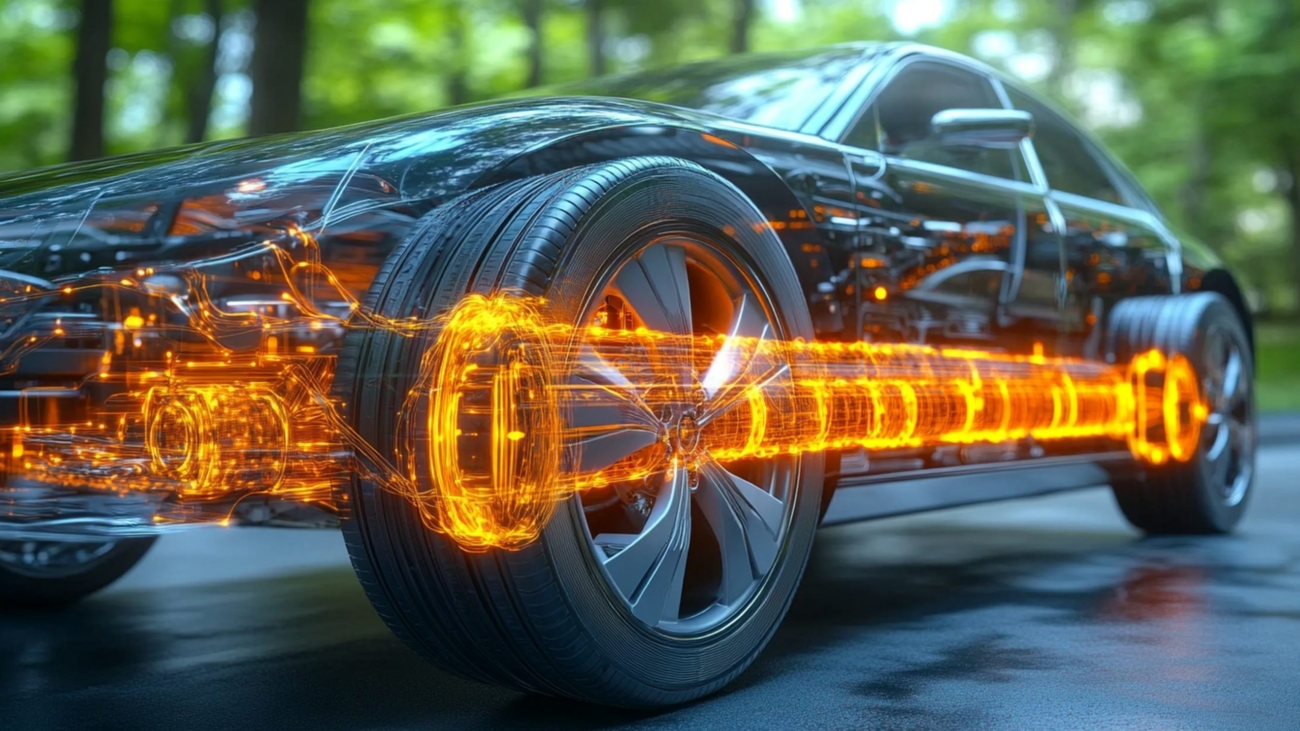
The rotating wheels drive the motor, which acts as a generator. Mechanical energy is converted into electrical energy and sent back toward the battery.

The vehicle therefore captures part of the energy that would otherwise be lost as heat.

Regenerative braking does not recover all the energy used for acceleration. Conversion losses occur, and some energy may still be dissipated through conventional friction brakes.

Why One-Pedal Driving Feels Different

Many electric vehicles allow strong regenerative braking when the accelerator is released. Depending on the system, the vehicle can slow significantly without the driver immediately pressing the brake pedal.

This can create a driving style often described as one-pedal driving.

The driver gradually learns to control speed through accelerator position. Releasing the pedal can produce noticeable deceleration, while pressing it again increases forward motion.

Some systems allow the strength of regenerative braking to be adjusted, while others automatically adapt it based on driving conditions.

Regeneration Is Not Always Available at Full Strength

Regenerative braking depends on battery and vehicle conditions.

If the battery is already near its maximum state of charge, there may be less capacity available to accept recovered energy. The vehicle can reduce regenerative braking in these circumstances.

Very cold battery temperatures can also affect regeneration.

When regenerative braking is limited, the vehicle may rely more heavily on conventional friction brakes. The driver may notice that the accelerator-release behavior feels different from usual.

This is normal system behavior rather than necessarily a mechanical fault.

Brake Components Can Have a Different Life

Because regenerative braking handles part of the vehicle’s deceleration, friction brakes may experience less use during ordinary driving.

That can reduce wear on brake pads and rotors.

However, reduced use does not mean conventional brakes can be ignored. Brake components still need inspection because corrosion, contamination, seized components, or age-related deterioration can occur even when friction braking is used less frequently.

Some vehicles deliberately apply friction brakes periodically to help maintain their condition.

Regeneration and Driving Efficiency

Regenerative braking can improve overall energy efficiency by recovering part of the energy associated with deceleration.

The greatest benefit occurs when the vehicle frequently changes speed, such as during urban driving. However, regeneration does not make stop-and-go driving free from energy consumption.

Accelerating and then immediately recovering a portion of that energy during braking still involves conversion losses.

Smooth driving remains important. Anticipating traffic and maintaining appropriate speed can reduce unnecessary acceleration and deceleration in the first place.

Understanding the Driver’s Role

Regenerative braking creates a closer relationship between the driver and the vehicle’s energy system.

Small changes in accelerator position can influence both speed and energy flow. Drivers may eventually learn to anticipate traffic lights, curves, slopes, and slowing vehicles more smoothly.

The experience can feel very different from driving a combustion-powered vehicle.

Regeneration is more than a technical feature. It represents a different approach to motion in which braking can become part of the energy-management process rather than simply the end of acceleration.

What Really Happens Inside an Electric Vehicle Battery

The battery is the defining component of an electric vehicle. It stores the energy that ultimately moves the wheels, powers climate systems, supports onboard electronics, and makes the entire vehicle function without a conventional combustion engine. Yet from the outside, a battery pack appears surprisingly simple: a large enclosed unit mounted beneath the vehicle.

Inside, however, thousands of individual processes are taking place.

Understanding how an electric vehicle battery works helps explain charging behavior, driving range, temperature management, degradation, and many of the differences between electric and combustion-powered vehicles.

From Cells to a Complete Pack

An electric vehicle battery is not one enormous cell. It is a collection of many smaller battery cells connected together.

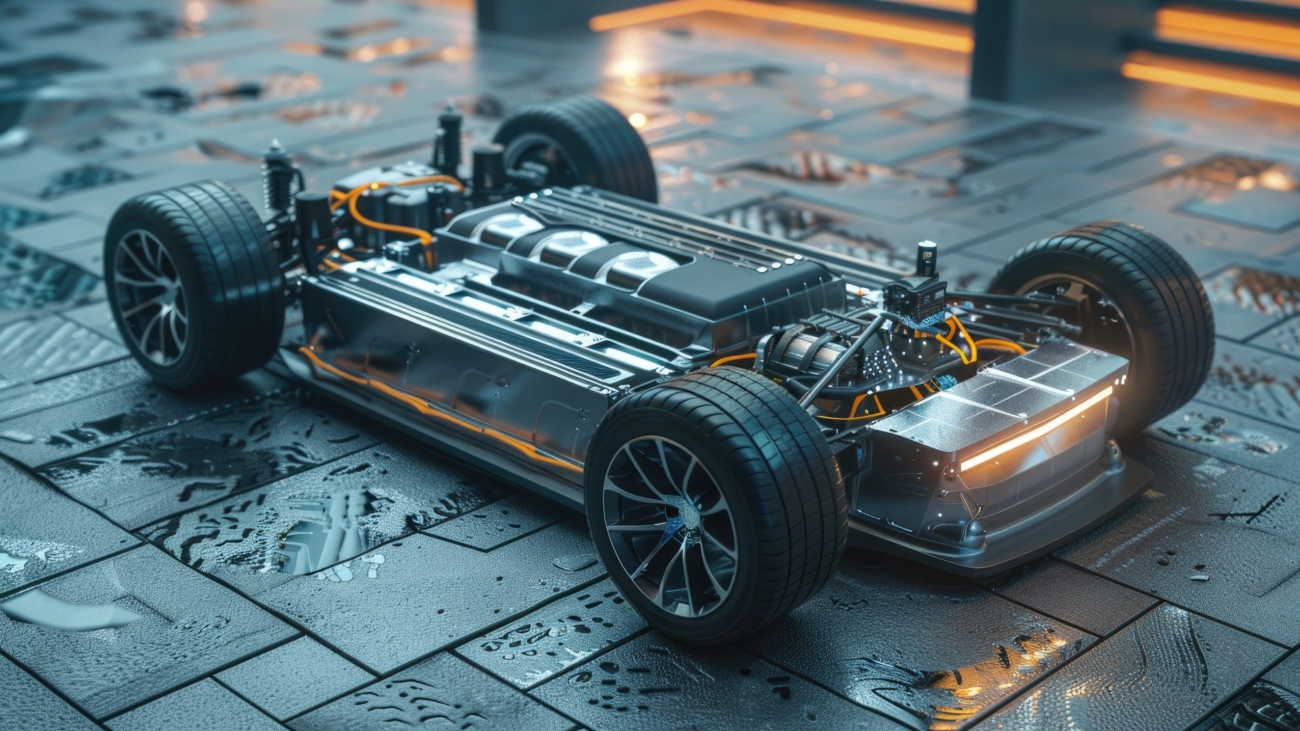
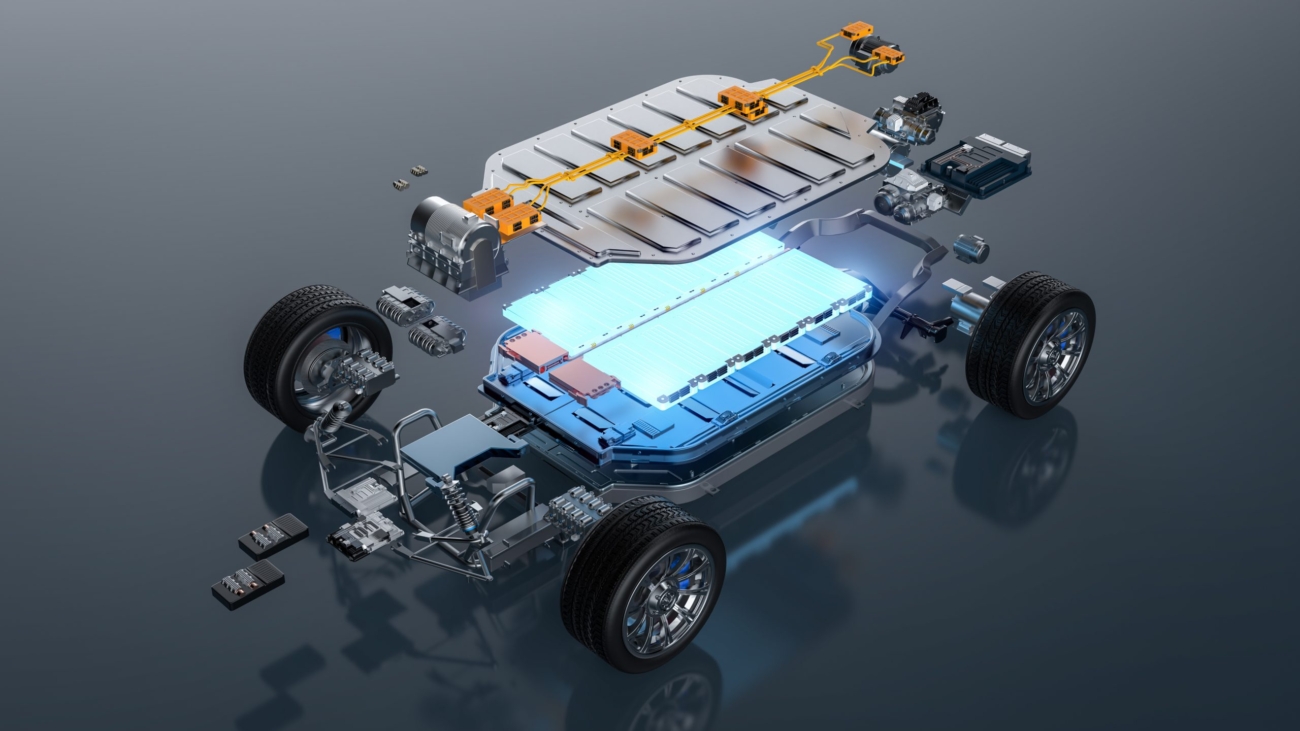
These cells are organized into modules or other structural arrangements, depending on the vehicle’s design. The complete battery pack also contains electrical connections, sensors, cooling components, protective structures, and electronic control equipment.

The battery management system monitors important characteristics such as voltage, temperature, and state of charge. It helps keep individual cells operating within appropriate limits.

This monitoring is essential because the cells must work together as a coordinated system. Differences between individual cells can influence the overall performance of the pack.

Why Temperature Matters

Battery chemistry is sensitive to temperature.

Very cold conditions can temporarily reduce the amount of power available and may increase charging times. Extremely high temperatures can also affect battery performance and accelerate unwanted chemical processes.

For this reason, many electric vehicles use thermal management systems. Depending on the design, these systems can heat or cool the battery to maintain a more suitable operating range.

Some vehicles can prepare the battery before arriving at a fast charger. This process, often called battery preconditioning, can improve charging performance when conditions require additional heating or cooling.

Temperature management is therefore not simply a comfort feature. It is an important part of battery operation.

Why Batteries Lose Capacity

Battery degradation is a gradual process rather than an instant failure.

Over many charging and driving cycles, chemical changes occur inside the cells. Repeated exposure to very high or very low states of charge, extreme temperatures, and high-power charging can influence long-term battery behavior.

However, degradation is not necessarily uniform across all vehicles. Battery chemistry, thermal management, charging habits, driving conditions, and software strategies all contribute.

A battery that has lost some capacity can continue to function normally. Its practical range may simply become somewhat lower than when it was new.

Charging Is More Than Filling a Tank

Electric vehicle charging behaves differently from conventional refueling.

Charging speed is influenced by battery temperature, current state of charge, charger capability, vehicle limitations, and the battery’s charging curve.

A battery may accept high power when its state of charge is relatively low and gradually reduce charging power as it becomes fuller. This protects the battery and manages heat.

As a result, the time required to charge from a low state of charge to a moderate level can be very different from the time needed to charge from a moderate level to nearly full.

The Role of Battery Chemistry

Not all batteries use identical chemistry. Different technologies can emphasize different characteristics, including energy density, thermal behavior, durability, charging performance, cost, and material requirements.

Research continues into improved lithium-based chemistries as well as alternative approaches such as solid-state battery concepts.

No single battery chemistry solves every challenge. Increasing energy density may introduce different engineering requirements, while prioritizing longevity or material availability can involve other trade-offs.

Looking at the Battery as a System

The most useful way to understand an electric vehicle battery is not simply as an energy container. It is a complete engineered system.

Cells, cooling equipment, sensors, software, electrical components, and structural elements work together to manage stored energy safely and efficiently.

As battery technology develops, improvements are likely to come from many directions rather than from one dramatic breakthrough. Better chemistry, smarter software, improved thermal management, more efficient manufacturing, and stronger recycling processes can all contribute to the next generation of electric mobility.

Electric Motors Explained: Why EVs Deliver Instant Torque

One of the most distinctive characteristics of an electric vehicle is the way it accelerates. Pressing the accelerator can produce immediate and smooth movement without the sequence of gear changes familiar to drivers of many combustion-powered vehicles.

The explanation lies in the electric motor.

Although the principle involves sophisticated electromagnetic engineering, the basic idea is surprisingly straightforward: electricity creates a magnetic interaction that produces rotation.

From Electricity to Movement

An electric motor converts electrical energy into mechanical energy.

When current flows through carefully arranged windings, it creates magnetic fields. These fields interact with permanent magnets or other magnetic fields within the motor, causing the rotor to turn.

The rotor’s rotation is transferred through the drivetrain to the wheels.

Unlike a combustion engine, an electric motor does not need to burn fuel inside cylinders to create mechanical movement. It produces rotational force through electromagnetic interaction.

What Torque Means

Torque describes rotational force.

Electric motors can produce substantial torque from very low rotational speeds. This is one reason electric vehicles can accelerate quickly from a standstill.

A combustion engine generally has a more complicated torque curve. It may need to reach a particular range of engine speed before producing its strongest output.

An electric motor can deliver useful torque almost immediately.

This does not mean every electric vehicle accelerates dramatically. Vehicle weight, motor output, traction, software limits, battery capability, and drivetrain design all influence actual performance.

Why Many EVs Have Fewer Gears

Traditional combustion engines typically operate within a relatively narrow range of efficient rotational speeds. Multiple transmission gears help keep the engine within useful operating conditions.

Electric motors can operate effectively across a much wider speed range.

As a result, many electric vehicles can use a single-speed reduction gear instead of a conventional multi-speed transmission.

This simplifies the drivetrain and allows smooth acceleration without noticeable gear changes.

Some electric vehicles use multiple motors or more complex transmission arrangements for performance, efficiency, traction, or packaging reasons.

Efficiency at Different Speeds

Electric motors can be highly efficient, but efficiency is not identical under every condition.

Motor efficiency varies with rotational speed, torque demand, temperature, and power electronics.

The inverter plays an important role by controlling electrical power delivered to the motor. It converts and regulates electricity in a way that allows the motor to respond precisely to driver input.

Vehicle software coordinates these systems continuously.

Two Motors, Different Behavior

Some electric vehicles use one motor, while others use separate motors for different axles.

A dual-motor configuration can provide more direct control over torque distribution. This may improve traction under certain conditions and can also provide additional performance.

The control system can adjust motor output rapidly, potentially responding to wheel-slip conditions much faster than a purely mechanical system.

However, additional motors and associated hardware can increase weight and complexity.

Electric Motors and Maintenance

Electric motors contain fewer moving parts than conventional combustion engines.

They generally do not require engine oil changes, spark plug replacement, or many of the maintenance procedures associated with internal combustion systems.

However, an electric vehicle is not maintenance-free.

Reduction gears, cooling systems, bearings, brakes, suspension components, tires, steering systems, and electrical equipment still require inspection and servicing.

The difference is that maintenance is concentrated around a different collection of systems.

A Different Mechanical Philosophy

The electric motor represents a fundamental shift in vehicle engineering.

Instead of relying on controlled combustion, a complex exhaust system, and a multi-stage transmission to transform stored chemical energy into motion, an electric drivetrain uses batteries, power electronics, and electromagnetic machines.

The result is a drivetrain that can respond almost instantly to driver input while using a comparatively simple mechanical architecture.

As electric vehicles continue to evolve, improvements in motors, inverters, cooling systems, and control software will remain central to their development.

What Happens to an EV Battery After Its First Life?

An electric vehicle battery can remain useful long after it no longer provides the same range or performance expected from a new vehicle.

This raises an important question: what happens when a battery reaches the end of its first automotive life?

The answer is more complicated than simply throwing the battery away. Depending on its condition, chemistry, construction, and available processing technology, an aging battery can potentially be repaired, reused, repurposed, or recycled.

Battery Life Does Not End When Range Declines

Battery degradation is gradual.

A battery may lose part of its original energy-storage capacity over years of use, but that does not automatically make it useless.

An electric vehicle designed for a certain driving range may eventually become less convenient if its usable capacity declines significantly. However, the remaining cells can still contain valuable materials and usable electrochemical capacity.

The difference between automotive suitability and complete failure is important.

Repairing Battery Packs

Not every battery problem requires replacement of the entire pack.

In some designs, individual modules or components can potentially be diagnosed and replaced.

Repairability depends heavily on battery architecture, accessibility, manufacturer procedures, diagnostic equipment, and the nature of the failure.

A damaged battery should only be inspected or repaired by appropriately trained professionals because high-voltage systems can present serious electrical hazards.

Second-Life Applications

A battery that is no longer ideal for vehicle use may still work effectively in stationary energy storage.

Stationary systems do not require the same combination of weight, compactness, acceleration capability, and range demanded by a vehicle.

A battery with reduced automotive capacity could potentially store electricity in a building, support renewable energy systems, or provide backup power.

These applications are often described as second-life uses.

The feasibility depends on battery condition, remaining capacity, safety, economics, and the technical requirements of the new application.

Recycling Valuable Materials

Eventually, recycling becomes an important part of the battery lifecycle.

Modern batteries contain materials that can be recovered and processed for future use. Recycling methods vary according to chemistry and facility capabilities.

Some processes focus on recovering metals and other valuable components, while newer approaches aim to improve recovery efficiency and reduce energy requirements.

Effective recycling can reduce the need to obtain all future battery materials exclusively from new sources.

Battery Design and Recycling

The way a battery is designed can influence how easily it can be serviced or recycled.

Complex construction may improve structural strength or manufacturing efficiency while making disassembly more difficult.

Engineers therefore face multiple objectives when designing battery packs: energy density, safety, durability, cost, weight, manufacturing speed, repairability, and eventual recycling.

There is no single design that maximizes every characteristic simultaneously.

Why Battery Recycling Is Becoming More Important

As the number of electric vehicles grows, increasing quantities of batteries will eventually reach the later stages of their useful life.

This creates a new industrial challenge.

Recycling systems must be capable of handling different battery chemistries, pack designs, and levels of degradation. Collection, transportation, disassembly, material separation, and processing all require specialized infrastructure.

The industry is therefore developing alongside the vehicles themselves.

Thinking in Terms of a Full Lifecycle

The environmental and economic impact of an electric vehicle cannot be understood solely by looking at the moment it is driven.

The complete lifecycle includes raw materials, manufacturing, operation, maintenance, battery reuse, and recycling.

Extending battery usefulness through repair or second-life applications can potentially delay final recycling while creating additional value from existing materials.

Ultimately, the goal is not simply to build batteries that last longer in vehicles. It is to create systems in which valuable battery materials remain useful for as long as technically and economically practical.

Charging an EV: From Overnight Power to Rapid Energy Stops

Charging is one of the most noticeable differences between owning an electric vehicle and driving a conventional combustion-powered vehicle. Instead of spending several minutes transferring liquid fuel into a tank, an electric vehicle gradually receives electrical energy through a charging system.

The process can be remarkably simple, but the actual charging experience depends on many variables.

Different Charging Speeds

Electric vehicles can generally be charged using different levels of electrical power.

Lower-power charging is often suitable for long periods when the vehicle is parked. A vehicle may remain connected for several hours while the battery gradually receives energy.

Higher-power charging can transfer energy much more quickly. These systems are particularly useful when a vehicle needs additional range during a journey.

However, charger power alone does not determine charging speed. The vehicle itself has a maximum charging capability, and the battery management system determines how much power can safely be accepted at a particular moment.

Why Charging Slows Down

One of the most misunderstood aspects of electric vehicle charging is the reduction in charging speed at higher states of charge.

When the battery is relatively empty, it may accept a large amount of electrical power. As the battery approaches a high state of charge, the vehicle typically reduces the power entering the pack.

This is comparable to filling a container carefully near the top rather than continuing at maximum flow.

The result is that charging from a low level to a moderate level can often be considerably faster than charging from a high level to completely full.

For everyday use, this can make partial charging more practical than waiting for a full charge every time.

Home Charging and Daily Routines

One major advantage of electric vehicles is the possibility of charging while the vehicle is parked for extended periods.

When charging equipment is available at home, a vehicle can potentially begin each day with a predictable amount of stored energy without requiring a separate stop during the morning routine.

Charging can also be scheduled in vehicles or charging systems that support timed operation.

This turns energy replenishment into something that can happen passively while the vehicle is already parked rather than becoming a separate task.

Fast Charging Has a Different Purpose

Rapid charging is particularly useful during longer journeys.

Instead of waiting for a complete recharge, drivers can add enough energy to continue traveling. The practical duration of a charging stop depends on battery temperature, starting state of charge, charger output, vehicle limits, and other conditions.

Frequent high-power charging is not automatically harmful, but it creates additional thermal and electrical demands. Modern battery management systems are designed to manage these conditions.

The vehicle may actively regulate charging power to keep the battery within appropriate operating limits.

Why Cold Batteries Can Charge Slowly

Temperature has a significant influence on charging.

A cold battery may initially accept energy more slowly because the chemical processes inside the cells operate differently at low temperatures. Vehicles with battery thermal management may warm the pack before or during charging.

This is one reason battery preconditioning can be useful before a high-power charging session.

The same principle explains why driving range and charging behavior can change noticeably between mild and very cold conditions.

Charging Habits and Battery Longevity

Different vehicles have different recommendations for everyday charging. Some manufacturers encourage keeping the battery within a particular state-of-charge range for routine use, while allowing higher levels when necessary for longer journeys.

Following the manufacturer’s instructions is more useful than relying on a universal charging rule.

Modern batteries are designed to withstand regular use, and their management systems include safeguards against overcharging and excessive operating conditions.

The important shift in thinking is that an electric vehicle does not need to be treated like a large electronic device that must always reach 100 percent. Charging is a flexible process that can be adapted to how the vehicle is actually used.

A New Way to Think About Refueling

Electric charging changes the rhythm of vehicle ownership.

Instead of every energy stop being a deliberate refueling event, charging can become integrated into parking, overnight routines, workplace stays, and longer journeys.

As charging technology continues to improve, the distinction between driving and charging is becoming less rigid. Energy can be added whenever the vehicle is naturally stationary, creating an entirely different relationship between transportation and time.

A Fresh Start for Every Season: Preparing Your Vehicle for Changing Weather

The changing seasons bring new scenery, different road conditions, and fresh challenges for vehicle owners. A car that performs comfortably during warm weather may behave very differently when temperatures drop, rain becomes frequent, or summer heat places additional stress on its systems. Seasonal vehicle preparation is about more than switching tires. It involves understanding how environmental conditions influence performance, safety, comfort, and long-term reliability.

Spring: Recovering From Months of Harsh Conditions

Spring offers an opportunity to examine the effects of winter driving. Moisture, road debris, temperature fluctuations, and corrosive substances can affect the underbody, suspension components, braking hardware, and exterior finishes.

Begin with a thorough exterior wash, paying particular attention to the wheel wells, lower body panels, and areas where dirt accumulates. Inspect the underside for visible damage or unusual corrosion. Check the windshield for small chips that may have developed during colder months.

Spring is also a useful time to inspect windshield wipers. Rubber blades can deteriorate after repeated exposure to freezing temperatures and sunlight. Streaking, skipping, or unusual noise during operation often indicates that replacement is necessary.

Summer: Managing Heat and Long Journeys

High temperatures create demanding conditions for engines, batteries, tires, and cooling systems. Heat can accelerate fluid deterioration, increase tire pressure, and expose weaknesses in aging components.

Before extended summer journeys, examine the coolant level according to the manufacturer’s instructions. Look for visible leaks, damaged hoses, and signs of overheating. A cooling system should never be opened while it is hot and pressurized.

Air conditioning deserves attention as well. Weak airflow, unusual odors, or inconsistent cooling may indicate a need for filter replacement, cleaning, or professional diagnosis.

Summer driving also makes tire condition particularly important. Inspect tread depth, sidewalls, and inflation pressure while the tires are cold. Correct pressure should follow the vehicle manufacturer’s recommendations rather than the maximum value printed on the tire.

Autumn: Preparing for Rain, Wind, and Shorter Days

Autumn introduces changing visibility and increasingly unpredictable weather. Rain, fallen leaves, early darkness, and morning fog all influence driving conditions.

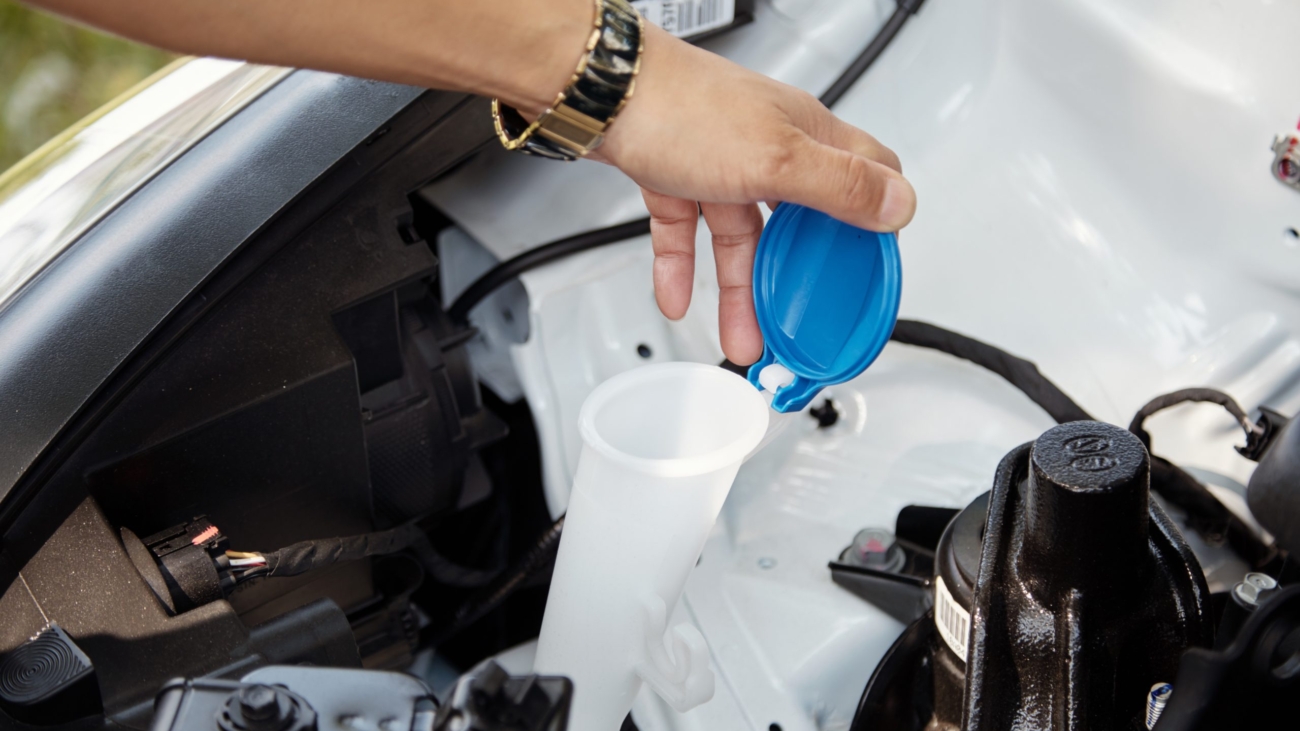
Inspect exterior lights and replace damaged bulbs. Clean headlight lenses if they have become cloudy, and verify that headlights are properly aimed. Make sure the windshield washer system functions correctly and that the fluid is suitable for the temperatures expected.

Tire condition becomes particularly important when roads are wet. Worn tread reduces the tire’s ability to channel water away from the contact area, increasing the risk of losing traction.

Autumn is also an excellent time to review the condition of the battery, especially if it is several years old. Cold weather places additional demands on battery performance, making an existing weakness more noticeable.

Winter: Protecting Essential Systems

Cold conditions influence nearly every part of a vehicle. Engine oil becomes more viscous, battery output decreases, and tires may lose pressure as temperatures fall.

Use manufacturer-approved fluids appropriate for the expected climate. Check that the battery terminals are clean and secure, and consider a professional battery test if starting becomes slower than usual.

Keep essential winter equipment accessible, including an ice scraper, appropriate windshield washer fluid, and any emergency supplies suited to local conditions.

Winter preparation should also include reviewing the heating and defrosting systems. Clear windows are essential for visibility, and a properly functioning defroster helps prevent condensation from interfering with safe driving.

Maintenance as a Year-Round Routine

Seasonal checks work best when they complement regular maintenance rather than replace it. Oil changes, brake inspections, tire rotations, and scheduled servicing should follow the vehicle’s maintenance plan.

Weather changes are inevitable, but unexpected mechanical problems do not have to be part of every season. A little preparation before conditions shift can make everyday driving more comfortable, consistent, and dependable.

The Science of a Smooth Ride: Exploring Suspension and Steering Maintenance

Driving over a smooth road can make a vehicle’s suspension system seem almost invisible. The cabin remains stable, the wheels follow the road surface, and steering inputs produce predictable movement. Yet beneath the vehicle, a network of springs, dampers, joints, and linkages constantly responds to changing conditions.

The suspension and steering systems influence far more than ride comfort. They contribute to tire contact, braking stability, vehicle control, and the driver’s ability to respond to unexpected road situations.

How Suspension Components Work Together

A suspension system connects the wheels to the vehicle’s structure while allowing controlled movement over uneven surfaces. Springs support the vehicle’s weight and absorb energy from road irregularities. Shock absorbers or struts control spring movement and help prevent excessive bouncing.

Different vehicle designs use different suspension arrangements. Some have independent suspension at each wheel, while others use axle-based systems. The specific construction affects handling characteristics, maintenance requirements, and the types of components subject to wear.

Suspension systems also include rubber bushings, ball joints, control arms, stabilizer links, and other parts that help maintain correct wheel positioning.

Each component has a particular role, but their combined condition determines how effectively the system responds to the road.

Recognizing Worn or Damaged Components

Suspension wear often develops gradually. A vehicle may begin to feel less stable during turns, bounce excessively after passing over a bump, or produce clunking noises when traveling over uneven surfaces.

A change in ride height, visible fluid leakage from a shock absorber, or uneven tire wear may also indicate a problem.

However, symptoms can overlap. A vibration might originate from wheels or tires rather than suspension components. Similarly, pulling to one side can result from alignment differences, tire pressure, brake issues, or worn steering parts.

A proper inspection is necessary to identify the actual source instead of replacing components based on assumptions.

Steering: Turning Inputs Into Controlled Movement

The steering system translates the driver’s movements into changes in wheel direction. Modern vehicles commonly use electric power steering, while some older or specialized designs rely on hydraulic assistance.

Steering should feel consistent and predictable. Excessive play, sudden changes in steering effort, unusual noises, or a steering wheel that does not return normally after a turn may indicate a mechanical or electronic concern.

Electric power steering systems depend on sensors, control modules, and electric motors. A warning indicator or intermittent loss of assistance requires appropriate diagnosis.

Steering problems should never be ignored, especially when they affect the ability to maintain a stable path.

Why Wheel Alignment Deserves Attention

Wheel alignment describes the angles at which the wheels are positioned relative to the vehicle and road. The primary alignment measurements include camber, caster, and toe, although exact adjustment possibilities depend on the vehicle’s design.

Alignment can change after impacts with potholes, curbs, or other obstacles. Worn suspension components may also affect alignment stability.

Common symptoms include uneven tire wear, an off-center steering wheel, or a vehicle that drifts when driven on a relatively level road.

Correct alignment helps tires wear more evenly and supports predictable handling. It does not, however, repair damaged suspension parts or compensate for structural problems.

Driving Habits Influence Suspension Longevity

Road impacts place additional stress on suspension components. Reducing speed before large potholes, avoiding unnecessary impacts with curbs, and distributing heavy loads appropriately can help limit excessive strain.

Repeatedly carrying loads beyond the vehicle’s rated capacity may affect suspension performance and accelerate wear.

After a significant impact, pay attention to changes in steering, ride height, noises, and tire behavior. A visual inspection may reveal obvious damage, but internal component problems can remain hidden.

Comfort Is Only Part of the Picture

A well-maintained suspension system supports stable wheel contact and predictable vehicle behavior. It helps the driver maintain control while navigating uneven surfaces, curves, and sudden changes in road conditions.

Regular inspections, prompt attention to unfamiliar handling changes, and appropriate repairs help preserve these characteristics.

A smooth ride may be the most noticeable result of suspension maintenance, but its most important contribution is the support it provides to overall vehicle control.

The Next Chapter of Electric Mobility: Batteries, Charging, and New Ideas

The electric vehicle industry is still developing. Many technologies that are now familiar were considered experimental or impractical only a relatively short time ago.

Future progress will not depend on a single invention. Instead, it will come from improvements across batteries, motors, charging systems, materials, software, manufacturing, and energy management.

The next generation of electric mobility is likely to be defined by how these technologies work together.

Batteries With Greater Energy Density

One major research goal is increasing the amount of energy stored within a given amount of battery material and weight.

Higher energy density could allow vehicles to travel farther without requiring proportionally larger battery packs.

However, energy density is only one measurement of battery quality. Engineers must also consider safety, durability, charging speed, temperature behavior, manufacturing complexity, material availability, and cost.

A battery with exceptional energy density would not automatically be the ideal solution if it performed poorly in other areas.

Solid-State Battery Research

Solid-state batteries are frequently discussed as a potential next step in battery development.

Traditional lithium-ion batteries use liquid or gel-like electrolytes. Solid-state concepts replace this component with a solid material.

Researchers are exploring whether this approach can provide improvements in energy density, safety, charging behavior, and durability.

Commercializing such technology at large scale presents substantial engineering and manufacturing challenges.

The transition from laboratory demonstrations to reliable mass production is often much more difficult than developing the underlying scientific concept.

Charging Could Become More Convenient

Charging technology is also evolving.

Higher-power charging can reduce the time required to add energy, while improved thermal management can help batteries accept power more consistently.

Wireless charging is another area of development. Instead of physically connecting a cable, a vehicle can receive energy through an electromagnetic charging system when positioned above a compatible surface.

Automated charging concepts may eventually make energy replenishment even more seamless.

Bidirectional Energy Flow

Most charging systems move electricity in one direction: from the electrical supply into the vehicle.

Bidirectional charging changes this relationship.

A compatible electric vehicle can potentially send electricity back toward a building, electrical system, or other equipment.

This could allow vehicle batteries to function as temporary energy-storage resources.

The practical usefulness of bidirectional charging depends on vehicle hardware, charging equipment, software controls, electrical standards, and appropriate safety systems.

Smarter Energy Management

Software will continue to influence electric vehicle efficiency.

Future systems may become better at predicting energy consumption based on traffic, weather, terrain, temperature, charging availability, and individual driving patterns.

More accurate prediction can help drivers plan journeys while allowing the vehicle to optimize battery temperature and energy use.

Artificial intelligence and advanced algorithms may contribute to these systems, although their usefulness will depend on reliable data and careful system design.

Recycling and Circular Manufacturing

Battery development is increasingly connected with material recovery.

Future manufacturing systems may place greater emphasis on recovering valuable materials from older batteries and using them in new products.

Improved battery labeling, standardized components, modular construction, and automated disassembly could make recycling more efficient.

The objective is to move toward a system in which battery materials remain in productive circulation for as long as possible.

Lightweight Materials and Better Aerodynamics

Battery weight remains an important engineering consideration.

Reducing unnecessary vehicle mass can improve efficiency, acceleration, handling, and energy consumption.

Aerodynamic design is equally important, particularly at higher speeds.

Even small improvements in airflow can influence the amount of energy required to move through the atmosphere.

Future vehicles may therefore become more efficient through incremental improvements to body shape, materials, wheel design, thermal systems, and structural engineering.

A Broader Transportation Ecosystem

Electric vehicles are only one part of a larger transition in transportation.

Charging infrastructure, electrical grids, renewable energy, battery recycling, software services, manufacturing systems, and mobility patterns all influence how electric transportation develops.

The future will not be determined by batteries alone.

The most significant changes may come from the interaction between technologies that are currently developing separately.

Electric mobility is therefore better understood as an evolving ecosystem rather than a finished product. The vehicles of the future will likely be more efficient, more connected, more software-driven, and more integrated with the energy systems around them.